About pfa lined diaphragm valve
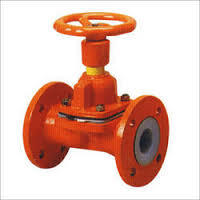
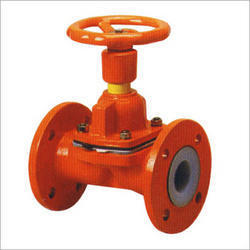
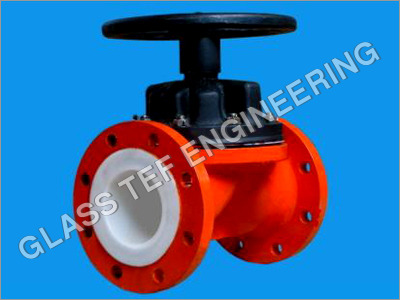
PFA Lined Diaphragm Valve is engineered to be the perfect for tough work environments of the pharmaceuticals, chemical processing, food processing & corrosive industries. It is just perfect in terms of design, construction, lining and diaphragm. This product is ideal for different abrasive fluids and gases etc. It has great strength and excellent fluid handling properties that make it ideal for corrosive line services. The PFA Lined Diaphragm Valve has become a recognized solution in the industries. We manufacture rugged, long-lasting and well designed diaphragm valves in the industry.
Features & Benefits: - Designed to handle a broad range of fluids & gases
- Smooth lining surface and simple cleaning
- Quality materials and perfect dimension
- Optimal operating pressure and good operating temperature
Corrosion-Resistant TechnologyEngineered with a high-integrity PFA lining, this diaphragm valve offers exceptional resistance against a broad spectrum of corrosive and non-corrosive media. The blue epoxy coated body adds further protection, ensuring longevity even in harsh industrial conditions. This makes it ideal for aggressive environments commonly found in chemical and pharmaceutical industries.
Versatile Industry ApplicationsThis valve is widely used in sectors such as chemical processing, pharmaceuticals, water treatment, petrochemicals, dye plants, and food industries. Its robust construction and reliable sealing mechanism make it suitable for handling both liquids and gases. The valves adaptability to different end connection standards allows seamless integration into existing systems.
User-Friendly DesignThe valve is manually controlled with an ergonomic ABS or metal handwheel and includes an integrated visual position indicator for precise operation. Maintenance is simple and infrequent, as the valves construction is designed for durability and leak-proof service, reducing downtime and enhancing overall efficiency.
FAQs of pfa lined diaphragm valve:
Q: How does the PFA lining enhance the diaphragm valves performance in corrosive environments?
A: PFA (perfluoroalkoxy) thermoplastic lining provides exceptional chemical resistance, protecting the valve from aggressive acids, alkalis, and solvents. This ensures leak-proof performance and extends the service life even in demanding chemical or pharmaceutical processing environments.
Q: What industries commonly use PFA lined diaphragm valves?
A: These valves are primarily used in chemical processing, pharmaceuticals, water treatment, petrochemical plants, dye manufacturing, and the food industry, where handling corrosive or sensitive media safely is essential.
Q: When should a PTFE/EPDM backed diaphragm be chosen for this valve?
A: A PTFE/EPDM backed diaphragm is recommended when maximum chemical compatibility and resistance to abrasive or aggressive fluids are necessary. The PTFE layer provides chemical resistance, while the EPDM backing adds mechanical strength and flexibility.
Q: Where can this valve be installed in a process system?
A: Due to its flanged end connections (ANSI, DIN, JIS), the PFA lined diaphragm valve integrates easily into pipelines and process systems where control of corrosive or ultra-pure media is required, such as mixing lines, transfer lines, or tank outlets.
Q: What is the standard process for testing the valve before installation?
A: Each valve undergoes a hydrostatic body test at 1.5 times its rated pressure to verify leak-proof integrity and robust construction, ensuring reliable operation upon installation within the applications pressure range.
Q: How is the manual operation usage enhanced for easier control?
A: The valve is equipped with an ergonomic handwheel made of ABS or metal and features an integrated visual position indicator, allowing for comfortable manual operation and clear identification of the valves open or closed state.
Q: What are the main benefits of using a PFA lined diaphragm valve over traditional types?
A: This valve offers leak-proof sealing, outstanding corrosion resistance, low maintenance requirements, and adaptability to various connection and face-to-face standards. Its construction ensures safe and reliable fluid control, making it particularly valuable for aggressive or hazardous media.






 Send Inquiry


 Send Inquiry
 Send Inquiry
 Send SMS
 Call Me Free
 English
 Spanish
 French
 German
 Italian
 Chinese (Simplified)
 Japanese
 Korean
 Arabic
 Portuguese